Canada's national symbols: maple leaf, beaver, moose, and more | ImmigraCan
· | Categoria: Trivia
The story behind Canadian symbols — the maple leaf, beaver, moose, anthem, flag, RCMP, and other icons that define Canada.
Every country has its symbols, but Canada has built an especially rich identity around its icons — many of them surprising.
The maple leaf
The most recognizable symbol. Officially adopted on the flag on February 15, 1965. Before that, it was only a semi-official symbol.
- It has 11 points, with no specific numerical meaning (just a design choice)
- The red color symbolizes Canadian soldiers from the First World War
- It appears on the 1-cent coin (retired in 2012), on the passport, and on every federal product
The beaver
Official symbol since 1975. Chosen because it represents:
- Hard work and persistence
- Canada's historic economic base: the fur trade in the 17th–19th centuries
- Adaptation to cold climates
It appears on the 5-cent coin. Fun fact: the beaver was nearly driven to extinction by overhunting before becoming a symbol.
The moose
Not an official symbol, but omnipresent:
- Canada's largest land animal
- Estimated population: 500,000+ moose in the country
- Featured on road signs (the "moose crossing" warning)
The Royal Canadian Mounted Police (RCMP / "Mounties")
The federal police force with an iconic uniform:
- Red coat (Red Serge)
- Wide-brimmed hat (Stetson)
- Founded in 1873
- An international symbol of Canada
Fun fact: the RCMP actually patrols highways and rural areas, but not every city has RCMP presence (Toronto, Montreal, etc. have their own municipal police).
Hockey
We've already covered this in another post, but hockey has officially been Canada's national winter sport since 1994. Lacrosse is the official summer sport.
The Timbit and other informal icons
No official status, but culturally omnipresent:
- Tim Hortons donuts and coffee
- Poutine (practically a national dish)
- Ketchup chips
- Molson and Labatt beer (less so today, but once iconic)
The caribou
Even more iconic further north:
- Appears on the 25-cent coin
- Symbolizes the Arctic and Indigenous peoples
- Caribou migration is one of the largest on Earth
The loon
Appears on the $1 coin, which is why it's called the "loonie". The $2 coin is the "toonie" (2 + loonie).
- The loon's call is one of the sounds most associated with Canadian summer camping
- It appears on stamps and folk art
The bison
A symbol particularly tied to the Prairies (Alberta, SK, MB):
- Appeared on the old $5 coin
- Estimated 5 million bison before colonization; today around 30,000
- Alberta has a strong bison heritage
The trillium
Ontario's symbolic flower. It appears on the province's license plates.
Maple syrup
Not an official symbol, but practically synonymous with Canada:
- Quebec produces 70% of the world's maple syrup
- An economic and cultural symbol
- The "maple wars" — government control of production and pricing to prevent a black market
The national anthem: "O Canada"
- Composed in French in 1880 by Calixa Lavallée and Adolphe-Basile Routhier
- English version composed separately in 1908 by Robert Stanley Weir
- Made the official anthem in 1980
- Amended in 2018: "in all thy sons command" became "in all of us command"
The flag: Maple Leaf Flag
- Adopted on February 15, 1965
- Before that: the Red Ensign (a British flag with the Canadian coat of arms)
- Heated debate in parliament; the Great Flag Debate
- Choosing the maple leaf was a victory for Canada's own symbol over its British heritage
The Royal Coat of Arms
Adopted in 1921, featuring:
- Lions (United Kingdom)
- Harp (Ireland)
- Fleur-de-lis (France)
- Maple leaves (Canada)
- Latin motto: "A mari usque ad mare" (from sea to sea)
The Governor General
Officially represents the King/Queen in Canada. A ceremonial role, but with reserve powers (dissolving parliament, appointing a PM in a crisis).
Famous regional symbols
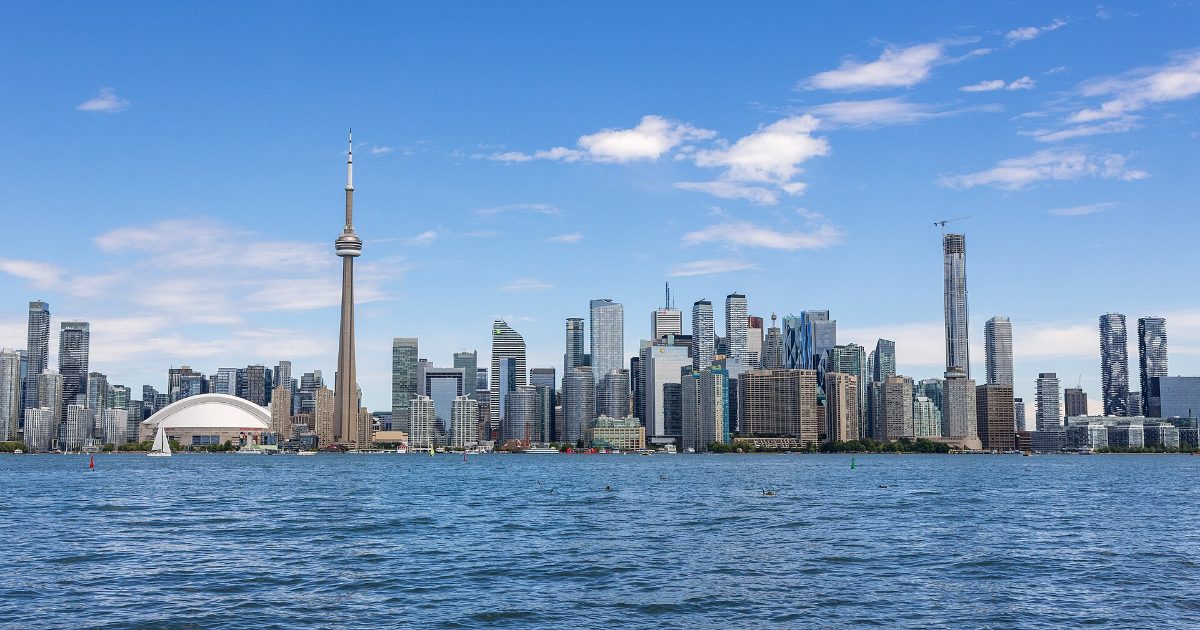
- CN Tower (Toronto) — telecommunications, 553m
- Chateau Frontenac (Quebec City) — historic hotel
- Peace Tower (Ottawa) — part of parliament
- Rocky Mountains — Alberta/BC
- Niagara Falls — Ontario
- Confederation Bridge (PEI/NB) — 13 km, the longest bridge over ice in the world
One last curiosity: why "Canada"?
The name comes from the Iroquoian word "kanata," meaning "village" or "settlement." In 1535, Jacques Cartier interpreted it as "country," and the name stuck.
Next steps
Want to learn more about Canada before moving there? Check out our posts on food, winter, and culture.
---
*This content is informational and does not constitute legal or immigration advice. ImmigraCan is not affiliated with the Government of Canada or IRCC. Always confirm official data at canada.ca and, for your specific case, consult a Regulated Canadian Immigration Consultant (RCIC) or specialized lawyer.*