Healthcare Express Entry Draw: September 4 Invites 3,500 at the Same CRS 475 Cutoff as June | ImmigraCan
· | Categoria: Express Entry
IRCC issued 3,500 invitations to Healthcare and Social Services candidates on September 4, 2026, at a CRS cutoff of 475 — matching the mark set on June 25 despite 500 fewer invitations. Here is what the numbers say and who qualifies.
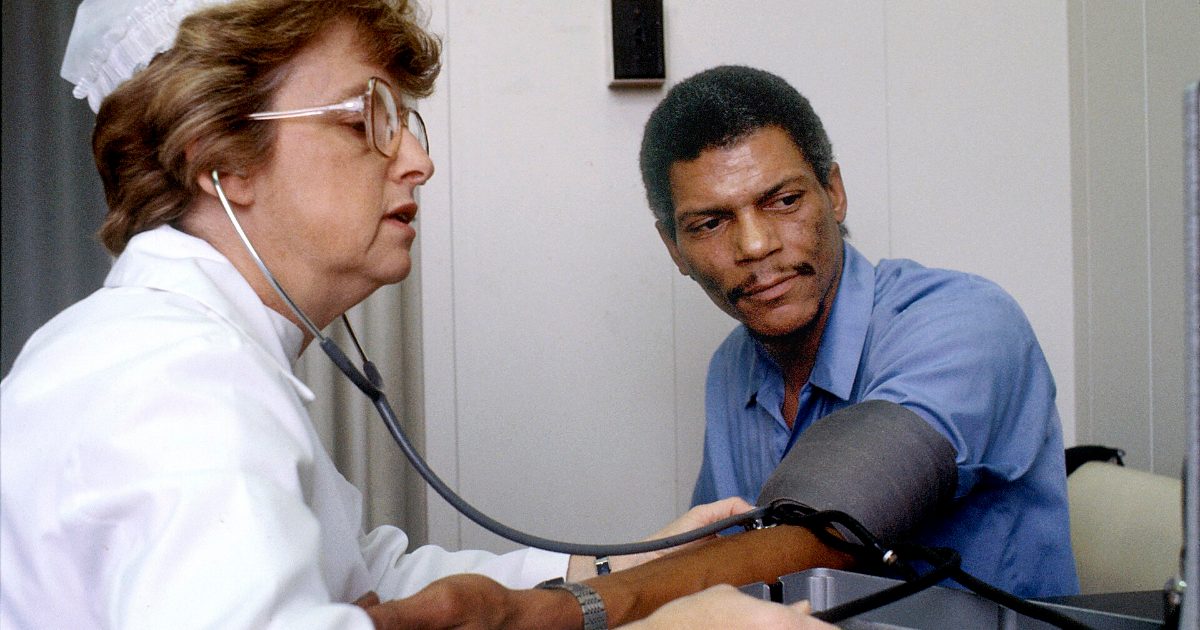
IRCC (*Immigration, Refugees and Citizenship Canada*, Canada's immigration authority) issued 3,500 invitations to apply (ITAs) in a category-based round for Healthcare and Social Services Occupations on September 4, 2026, at 11:16:45 UTC, with a CRS (*Comprehensive Ranking System*, Express Entry's points system) cutoff of 475 points. That is the same cutoff IRCC used the last time it drew from this category, on June 25 — but 500 fewer invitations went out this time.
The Numbers of the September 4 Round
- Date: September 4, 2026, 11:16:45 UTC
- Category: Healthcare and Social Services Occupations
- Invitations issued: 3,500
- CRS cutoff: 475 points
- Tie-break rule: May 26, 2026, at 00:26:14 UTC
As with every category-based round, the tie-break line decides who among the candidates sitting exactly at 475 points actually received an invitation. Only those whose Express Entry profile was already active before May 26 made the cut; anyone who entered the pool at that score afterward is still waiting.
Same Cutoff, Fewer Invitations
The last time IRCC ran a Healthcare and Social Services round was June 25, 2026, when it issued 4,000 ITAs at a CRS cutoff of 475 — at the time, the highest cutoff the category had ever recorded (see that coverage). Ten weeks later, the cutoff has not moved at all, but the volume dropped by 500 invitations.
A flat cutoff with fewer invitations usually means one thing: the pool of eligible healthcare candidates sitting at or above 475 points did not grow much between June and September. IRCC drew a smaller batch and still reached the same score line, which points to a shallower pool rather than a policy tightening — there is no published change to how Healthcare and Social Services candidates are scored or selected.
Three Rounds in Four Days
This draw did not happen in isolation. It was the third Express Entry round in four days:
- September 1 — Canadian Experience Class (CEC): 2,000 ITAs, CRS cutoff 521
- September 3 — Physicians with Canadian work experience: 229 ITAs, CRS cutoff 198
- September 4 — Healthcare and Social Services: 3,500 ITAs, CRS cutoff 475
The pattern for 2026 keeps holding: IRCC is running frequent, narrow category-based rounds rather than large general draws open to every candidate in the pool. Each category has its own cutoff and its own pace, and a low score in one — like the 198-point cutoff for physicians — says nothing about the score needed in another.
Who the Healthcare and Social Services Category Reaches
This category targets occupations IRCC has flagged as facing labour shortages in the health sector. It covers a wide range of TEER (*Training, Education, Experience and Responsibilities*, the classification IRCC uses instead of the old NOC skill levels) levels, from physicians and registered nurses down to personal support workers and home care aides, provided the candidate's profile lists one of the designated occupation codes and meets the general Express Entry criteria: a valid Economic Class profile (CEC, FSW or FST), language results, and, where applicable, an ECA (*Educational Credential Assessment*) for education completed outside Canada.
Unlike CEC or FSW, a category-based round does not require the candidate to already hold Canadian work experience — it draws from anyone in the pool whose profile matches the target occupations, which is part of why cutoffs in this category tend to sit well below the CEC line.
If You Work in Healthcare and Aren't in the Pool Yet
1. Confirm your occupation is actually listed under the Healthcare and Social Services category before assuming you qualify — not every health-adjacent job is included, and the designated list has changed before. ImmigraCan's free eligibility quiz checks your profile against the federal and provincial programs currently open, without promising an outcome, since the final decision always belongs to IRCC.
2. If your CRS sits below 475, a PNP (*Provincial Nominee Program*) nomination is usually the fastest way to close the gap — it adds 600 points on its own. The ImmigraCan programs catalog compares the provincial health-worker streams active in 2026 against category-based Express Entry.
3. Get your language test and ECA done before an ITA arrives, not after. The clock for the complete application (eAPR, *electronic Application for Permanent Residence*) starts at 60 days from invitation, and healthcare credential recognition in Canada can involve its own separate, slower process depending on the province and profession.
One thing I learned validating my own electrician's license (309A) in Ontario between 2019 and 2022: credential recognition and the immigration pathway run on separate clocks, and treating them as sequential steps is what costs people the most time. Whatever your regulated profession, start the recognition process in parallel with Express Entry, not after receiving an ITA.
What to Watch Next
With the cutoff unchanged since June, the number worth tracking in this category is not the score but the volume of the next round — if IRCC drops back toward 4,000-plus invitations at 475 or lower, that would suggest the pool is refilling; a smaller round at a higher cutoff would suggest the opposite. Either way, healthcare remains one of the more accessible category-based routes in 2026, well below the 500-plus cutoffs seen in CEC and general rounds this year.
*Data for this round comes from IRCC's official Express Entry rounds dashboard. This content is informational and does not replace legal or immigration advice — ImmigraCan is not affiliated with the Government of Canada. For your specific case, consult a Regulated Canadian Immigration Consultant (RCIC) or a specialized lawyer.*