How to open a bank account in Canada as a newcomer: step-by-step guide | ImmigraCan
· | Categoria: Tips
Step-by-step guide to opening your first bank account in Canada — which banks accept newcomers, required documents, fees, and how to choose.
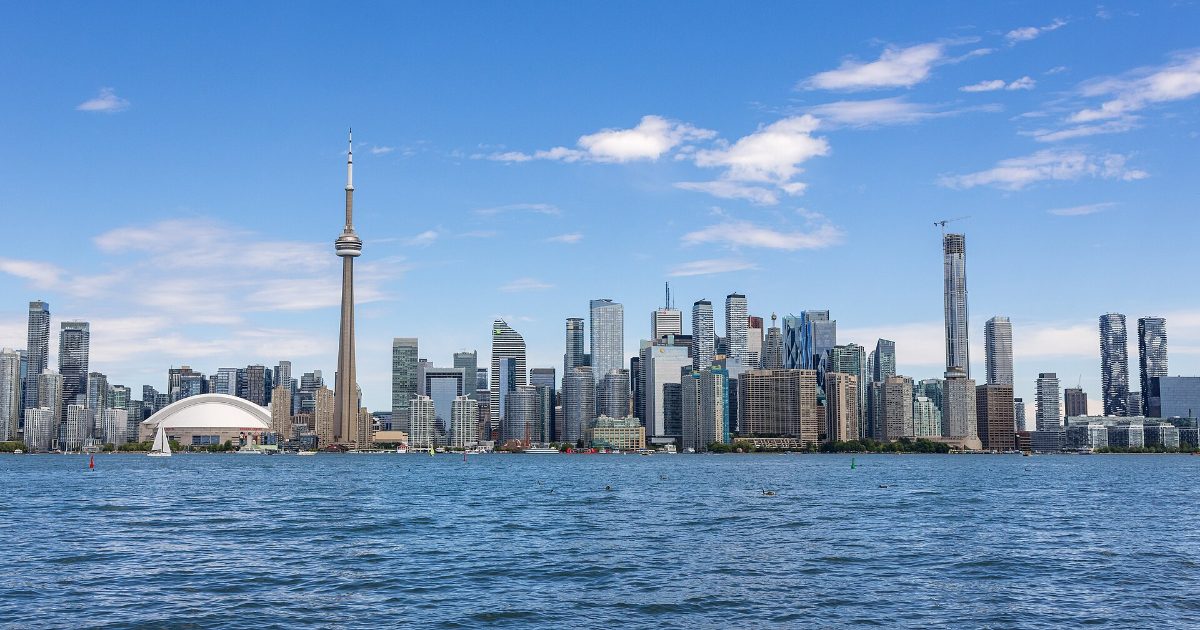
Opening a bank account is one of the first things any Brazilian needs to do upon arriving in Canada. Without a bank account, you can't receive a paycheck, pay rent, or even get a cell phone plan. Good news: Canadian banks have specific newcomer programs that make the process much easier.
The "Big Five" (5 largest banks)
RBC (Royal Bank of Canada) — the largest. Newcomer program with a free account for 12 months and a credit card with no credit history required.
TD (Toronto-Dominion) — second largest. Widely considered the most newcomer-friendly. Newcomer Package includes a free account and the option of a credit card without a SIN.
Scotiabank — well-structured StartRight Program, with a free account and credit card. Strong presence in immigration.
BMO (Bank of Montreal) — NewStart Program similar to the others. Can be more bureaucratic in some regions.
CIBC — Smart Account for Newcomers. Competitive program.
What to bring to open an account
Required:
- Valid passport
- Proof of status in Canada: work permit, study permit, PR card, or COPR (Confirmation of Permanent Residence)
- Address in Canada: lease agreement, study contract with an address, or a hotel/hostel letter
- SIN (Social Insurance Number): recommended, but some banks let you open an account without one
- Proof of funds: international transfer, funds, employment contract
Recommended:
- Brazilian passport + Brazilian driver's license
- Proof of employment (if you already have one)
- Proof of enrollment (if on a study permit)
Which types of account to open
Chequing Account — for everyday use, salary, debit card. Newcomers usually get 12 months free.
Savings Account — for your reserve. Low interest rate (0.5–3% as of 2026, depending on the bank).
Credit Card — CRUCIAL. You need to start building credit history from day 1. Banks offer a secured credit card (you deposit CAD 500 and get a card with a CAD 500 limit) even without any history.
TFSA (Tax-Free Savings Account) — savings with tax-free earnings. Annual limit of CAD 7,000 in 2026. Open one as soon as possible, but after getting your SIN.
RRSP (Registered Retirement Savings Plan) — retirement savings with a tax deduction. Focus on this after stabilizing your income.
Step-by-step process
1. Choose the bank — go with one that has a branch near your home/work and good reviews from Brazilian newcomers (Facebook groups help)
2. Schedule a visit — generally you don't need an appointment in big cities; in small towns, book one
3. Go to the branch — the manager will help you, create your profile, activate the account, and print your debit card on the spot
4. Deposit an initial amount — this can be a transfer (Wise, Remessa Online reaches Canada in 1–3 days) or cash in CAD
5. Set up online banking — the bank's app, password, alerts
6. Ask for a newcomer credit card — even if they only offer you a secured one, accept it. Start building history TODAY
7. Set up automatic payments for rent and services — helps you avoid forgetting
Things Brazilians forget about
- Chequing account fees: chequing accounts generally charge CAD 4–15/month in maintenance fees. The newcomer package waives this for 12 months — after that, you'll pay unless you switch to a specific plan
- Interac e-Transfer: transferring between Canadian accounts is free and instant. Use it! (the Canadian equivalent of Brazil's PIX)
- NSF fee (non-sufficient funds): if an automatic debit can't be collected, the bank charges ~CAD 48. Set up a low-balance alert
- Cheques: still used for rent and some payments. Banks give you a chequebook when you open an account, sometimes with a fee
- Currency exchange: banks charge a high spread on exchange (2–3%). To convert BRL/CAD, use Wise or Remessa Online
Credit card: start today
Without credit history in Canada, you can't rent an apartment in many places, finance a car, or get a loan. How to start from zero:
1. Secured credit card: you deposit CAD 500 with the bank, and it gives you a credit card with a CAD 500 limit. Use it, pay on time, build history
2. Newcomer credit card: some banks give you one without history because they're specific newcomer programs
3. Use only 30% of your limit — utilization ratio is a factor in your score
4. Always pay on time — never miss the due date
5. After 12 months, your score goes from 0 to 650+, and you can switch to a card without a deposit
Alternative banks: neobanks and credit unions
- Tangerine (owned by Scotiabank) — 100% online, lower fees, high savings yield
- EQ Bank — best savings rate in Canada (2.5–4% in 2026)
- Simplii Financial (owned by CIBC) — no monthly fees
- Credit Unions (Meridian, Vancity, Coast Capital) — cooperatives, more personal service
Common strategy: a chequing account at a "big five" bank (for depositing salary) + savings at Tangerine/EQ (for higher returns).
Next steps
- Still planning your arrival? Take the quiz to confirm your immigration program
- Already know your city? See the cost of living by city — it helps you calculate how much to bring
---
*This content is informational and does not constitute legal or immigration advice. ImmigraCan is not affiliated with the Government of Canada or IRCC. Always confirm official data on canada.ca and, for your specific case, consult a Regulated Canadian Immigration Consultant (RCIC) or a specialized lawyer.*