15 Facts About Canada Most Brazilians Don't Know | ImmigraCan
· | Categoria: Trivia
Cultural, geographical, and historical facts about Canada that will surprise you — from why the maple leaf made the flag to the reason there are 6 time zones.
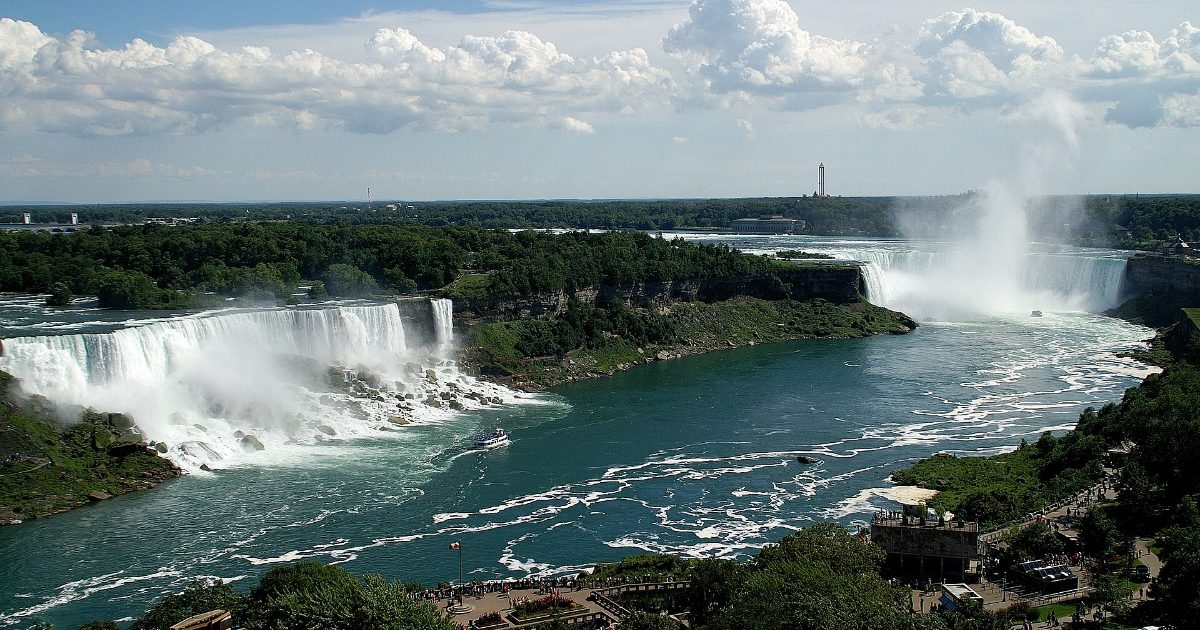
Canada is the world's second-largest country by land area (10 million km²), yet it has fewer people than the state of São Paulo. That combination of vast territory and small population creates curious quirks that many Brazilians only discover after moving there.
1. Canada has 6 time zones
From Newfoundland (UTC-3:30) to Yukon (UTC-8), Canada spans 6 time zones. The Newfoundland time zone is the only one in the world with a half-hour offset — the result of historical negotiations with the United Kingdom in the 19th century.
2. Ottawa is the capital, not Toronto
A lot of people assume Toronto is the capital because it's the largest city (3 million people). But the federal capital is Ottawa, chosen in 1857 by Queen Victoria precisely because it was smaller, more remote, and easier to defend.
3. The maple leaf only joined the flag in 1965
Until 1965, the Canadian flag was based on the British Union Jack. After years of debate, the current flag — with the red maple leaf — was raised for the first time on February 15, 1965. The day is now celebrated as National Flag Day.
4. There are 2 official federal languages
English and French have identical official status at the federal government level. That means every product sold in the country has bilingual packaging, and every federal civil servant must be able to serve the public in both languages. Trivia: New Brunswick is the only officially bilingual province; Quebec is officially Francophone; the rest are officially Anglophone.
5. Canada has more lakes than the rest of the world combined
It's estimated there are more than 2 million lakes in Canada — more than in every other country in the world combined. The largest, Lake Superior (shared with the US), covers a larger area than Austria.
6. Poutine, ketchup chips, and Nanaimo bars are Canadian inventions
- Poutine: French fries + cheese curds + gravy (brown sauce). Born in Quebec in the 1950s
- Ketchup chips: ketchup-flavored potato chips — practically nonexistent outside Canada
- Nanaimo bar: a 3-layer dessert (cookie-and-coconut base, yellow custard cream, chocolate) — Nanaimo is a city in BC
7. Tim Hortons is a cultural phenomenon, not just a coffee chain
Founded in 1964 by hockey player Tim Horton, the chain has more than 4,000 locations across Canada — more than McDonald's. Ordering a "double-double" (coffee with 2 sugars and 2 creams) is practically its own dialect.
8. The metric system coexists with imperial units
Canada officially adopted the metric system in 1970, but in practice:
- Distance and speed → kilometers (metric)
- Personal height → feet and inches (imperial)
- Personal weight → pounds (imperial)
- Outdoor temperature → Celsius (metric)
- Oven temperature → Fahrenheit (imperial, in many recipes)
9. Winnipeg's winter is colder than Mars (on average)
Winnipeg (the capital of Manitoba) has an average January temperature of -16°C, with lows below -40°C not being rare. Mars has an annual average of -60°C, but on many Canadian winter days, the temperature there is actually lower than on Mars that same day.
10. Canada has 3 territories in addition to its 10 provinces
Nunavut, Northwest Territories, Yukon — territories have less autonomy than provinces and are funded mostly by the federal government. Together they cover 40% of the country's land area but have fewer than 130,000 residents.
11. In some provinces, there are more moose than humans
In Newfoundland and Labrador, it's estimated there are 150,000 moose for 520,000 people — a ratio of roughly 1:3.5. Car-moose collisions are a common cause of fatal accidents.
12. The national anthem (O Canada) only became official in 1980
Composed in 1880 (in French), it wasn't made the official federal anthem until 1980 — almost a century later. The English version was edited in 2018 to change "in all thy sons command" to "in all of us command" (inclusive language).
13. The British monarchy is still head of state
Canada is a constitutional monarchy — King Charles III is officially head of state, represented by a Governor General. In practice, the king holds only ceremonial power. His image appears on the $20 bill.
14. Boxing Day is a national holiday
December 26 — the day after Christmas — is a holiday in Canada, inherited from British tradition. Historically, it was the day employers gave boxed gifts to their employees. Today it's famous for the year's biggest retail sales.
15. Toronto is the most multicultural city in the world
According to the UN, more than 50% of Toronto's population was born outside Canada, with more than 200 ethnic origins represented. It's common to hear 5 different languages on a single downtown block.
Bonus: for Brazilians
If you're planning to live in Canada, these fun facts go from "quirky" to "important" pretty quickly. Before you decide, take the eligibility quiz to find out if you qualify — and for which program.
---
*This content is informational and does not constitute legal or immigration advice. ImmigraCan is not affiliated with the Government of Canada or IRCC. Always confirm official information at canada.ca, and for your specific case, consult a Regulated Canadian Immigration Consultant (RCIC) or a specialized lawyer.*